
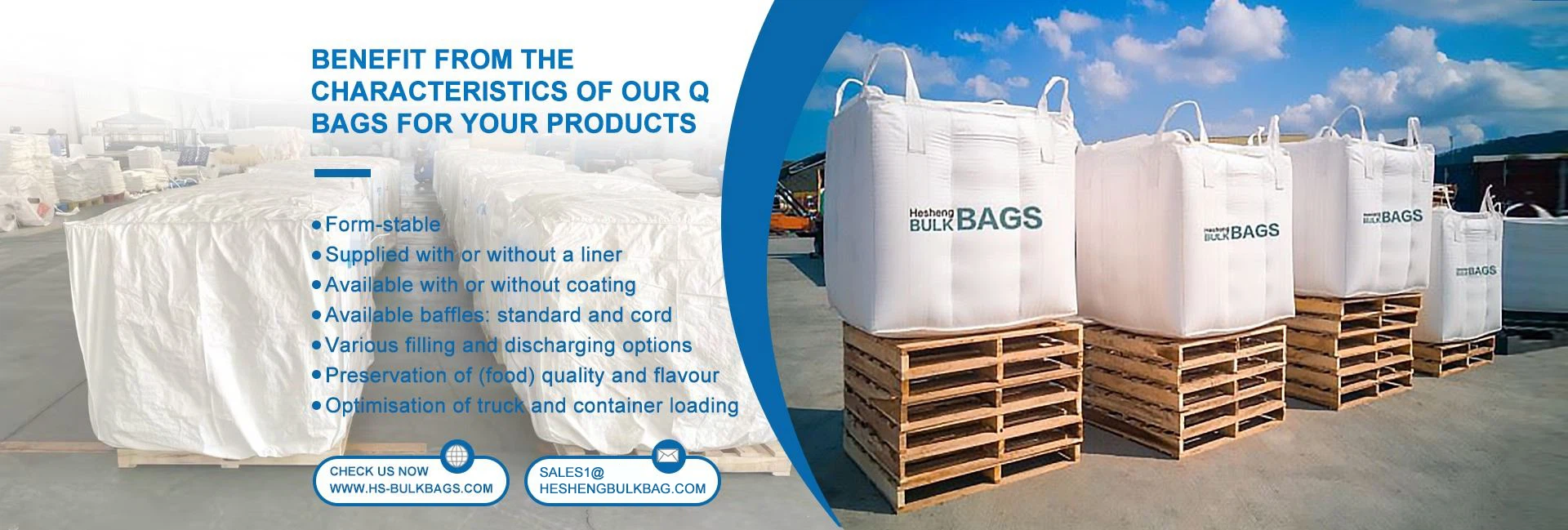
Big Bags for Products: What are they called, and what are their features
In the modern world, packaging plays a significant role in the process of transporting and storing any product. A special place among packaging solutions is occupied by big bags, which are widely used in various industries. But what is the correct name for these big bags? This question may seem simple, but it includes many aspects, from the material of manufacture to the area of use. We will try to understand this topic so that you can accurately determine which types of big bags are suitable for your needs.
Materials for the production of big bags
When choosing a big bag for products, an important factor is the material from which it is made. The most common materials are polypropylene, polyethylene, and fabric materials. Polypropylene bags are known for their strength and resistance to external influences. Such bags are suitable for storing and transporting bulk materials, fertilizers, chemicals, and building materials. Polyethylene bags are often used for storing food products due to their resistance to moisture and chemicals. In turn, fabric bags, such as jute bags, are often used in the agricultural industry for packing grain and potatoes.
Particularly popular are the so-called big bags or soft containers, which are large polypropylene bags that can withstand a load of up to several tons. They are widely used in the construction and agricultural fields due to their high load capacity and the possibility of repeated use.
Advantages of using big bags
One of the main advantages of big bags is their capacity. Compared to other types of packaging, a larger volume allows you to significantly reduce the cost of packaging materials and the packaging process, as well as reduce the cost of transporting products. The manufacturer of big bags always strives to ensure the high quality of its products, which contributes to the long-term and reliable storage of products inside such bags. This is especially important for companies that care about the safety of their goods during transportation.
Another important advantage is portability and cost-effectiveness. Bags are easy to store, as they do not take up much space when empty. They are lightweight and can be equipped with handles and loops of various designs for ease of movement. In turn, the use of such bags helps to reduce labor costs, as they are easier to load and unload compared to rigid containers or boxes.
Types of big bags and their purposes
There are several types of big bags on the market, each of which has its own unique properties and is suitable for a certain type of product. In particular, bags can be single-layer or multi-layer, depending on the requirements for the protective properties of the material. They can also differ in resistance to ultraviolet rays, which is important for products stored outdoors.
FIBC (Flexible Intermediate Bulk Container) bags or big bags are distinguished not only by the high density of the material, but also by the presence of special valves and holes for filling and unloading products. This makes them very convenient to use in large-scale production or warehouses.
Environmental aspects of using big bags
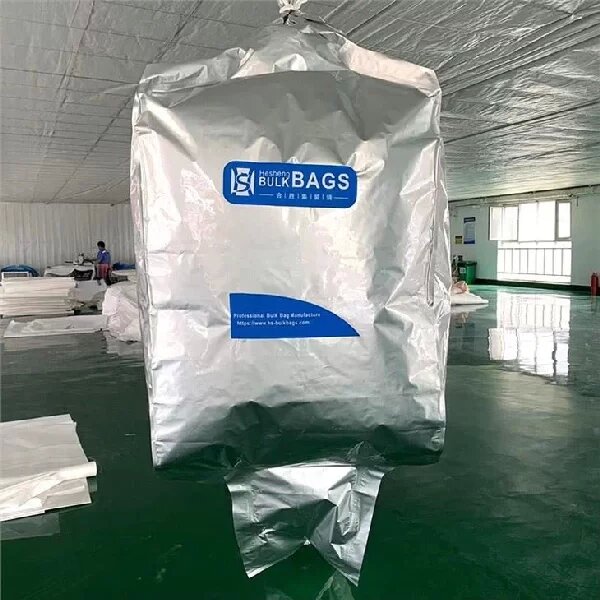
In the modern world, one of the most important tasks of any company is to minimize the negative impact on the environment. Big bags play an important role in this aspect as well. Thus, the big bag manufacturer focuses on the production of bags from materials that are recyclable. This allows for a significant reduction in the total amount of waste and improves the company's environmental footprint.
Polypropylene and polyethylene bags can be recycled and reused, which helps to reduce the need for the production of new materials. This helps not only to reduce costs but also supports the sustainable development of the business as a whole. In turn, the use of biodegradable fabric bags can also be an excellent solution for companies focused on environmental responsibility.

