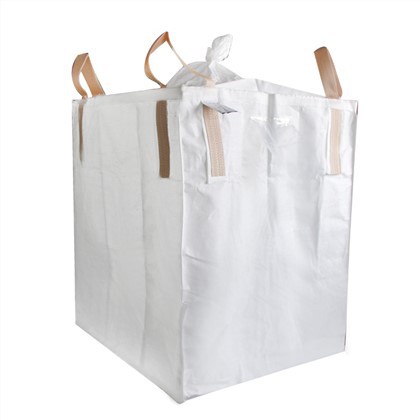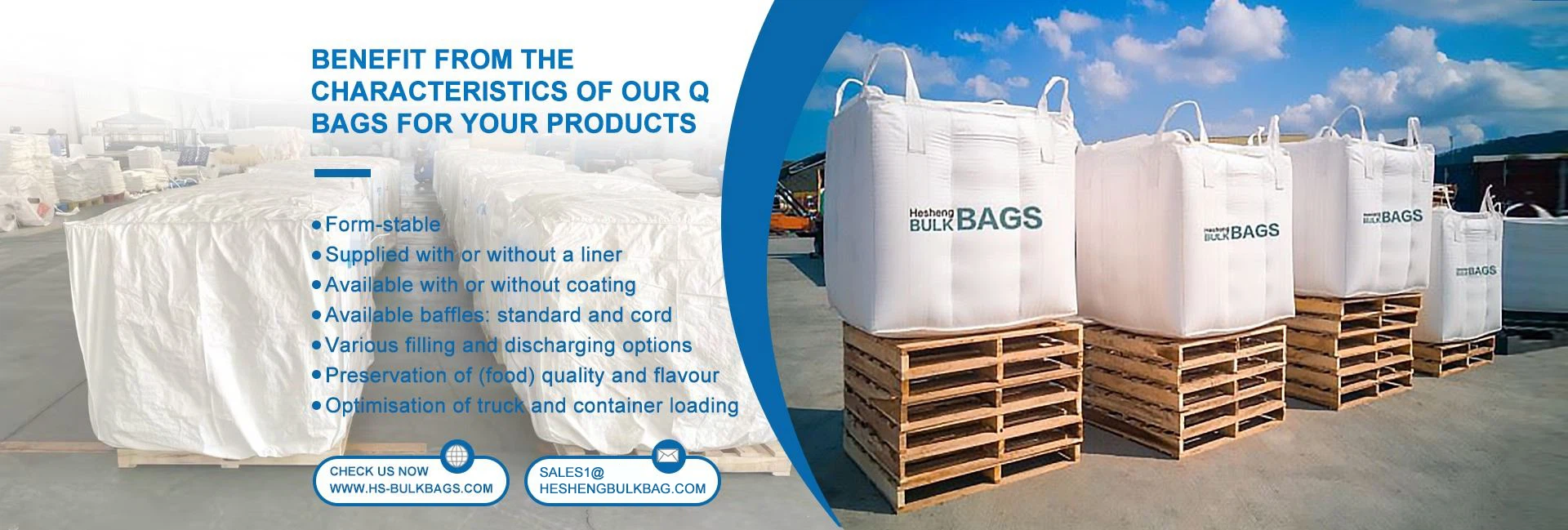
Flexible container bags play a vital role in modern logistics, providing an efficient and reliable solution for transporting powders and granular materials. Widely used in industries such as synthetic resins, chemicals, food, and compound feed, these bags offer numerous advantages that enhance supply chain operations. Their flexibility and durability ensure safe handling and transportation, minimizing the risk of damage or contamination. Additionally, flexible container bags are often designed to be lightweight and space-saving, contributing to reduced shipping costs and lower environmental impact. With ongoing advancements in materials and design, these bags continue to support sustainable and efficient logistics, helping businesses deliver high-quality products to customers around the world.
Working with bagged gravel, it has become the norm. It's convenient, clean, and ultimately often more profitable. A clear advancement over bulk cargo. Should this be considered an eco-trend? Strictly speaking, only partially. The potential for reducing environmental impact is enormous, but it can only be realized with a systematic approach.
When choosing a supplier, look beyond the price per bag. Ask about lab testing, the composition, the possibility of return shipping, or recycling programs. Like Hesheng-their long history and emphasis on testing speak to a serious approach to quality, which is fundamental.
In the end, "big bagged gravel" is an excellent example of how practical efficiency can lead to a more careful use of resources. But calling it a panacea or a purely eco-friendly solution would be a lie. It's a tool. And like any tool, its environmental friendliness is determined not by the tool itself, but by who holds it and what system it serves. The trend isn't in the bag; the trend is in the mind.