
May 14, 2026, Global - The global flexible intermediate bulk container (FIBC, bulk bag) industry is undergoing a major transformation in 2026, driven by stricter safety regulations, surging demand for sustainable packaging, and rapid growth in cross-border bulk trade. Latest market data and industry initiatives highlight two core trends: the mandatory upgrade of safety certifications and the accelerated adoption of recycled materials, which are redefining manufacturing benchmarks and supply chain requirements worldwide.
Market Growth & Demand Shift
The global FIBC market is valued at USD 6.9 billion in 2026 and is projected to reach USD 10.4 billion by 2036, growing at a 4.2% CAGR. Key growth drivers include expanding agricultural exports, stricter chemical logistics safety norms, and the replacement of rigid packaging with cost-effective, space-saving FIBCs. The agricultural sector remains the largest end-user, while chemicals, food-grade materials, and mining are seeing the fastest demand growth.
Safety Compliance Becomes Non-Negotiable
A major 2026 industry shift is the tightening of global safety standards for FIBCs, especially for hazardous and food-grade applications.
Static Safety: The Nautical Institute has issued updated guidelines warning that improper static protection in bulk bags risks vessel fires, driving demand for certified Type C (conductive) and Type D (anti-static) FIBCs in chemical and powder logistics.
Food-Grade Certification: The EU's SUP Directive and FDA's 2026 import alert system mandate stricter food-contact safety for FIBCs used in grain, potato, and food powder shipments, requiring EFSA/FDA compliance and traceable production records.
Safety Factor Standardization: International buyers now universally require a 5:1 safety factor for ordinary FIBCs, with full load test reports mandatory for all export shipments.
Sustainability Takes Center Stage: Recycled FIBCs Go Mainstream
Sustainability is no longer optional-it's a procurement priority. In 2026:
Recycled Material Mandates: The EU requires 25%+ recycled PP (rPP) in FIBCs by Q4 2026, while major brands demand 30–50% rPET/rPP content.
Circular Economy Adoption: Industry leaders like Greif reported reconditioning/recycling 4.5 million+ containers in 2025, and India's first bottle-to-bag rPET FIBC plant is now operational.
Carbon Footprint Tracking: More buyers require ISO 14064 carbon accounting for FIBC production, favoring manufacturers with low-emission processes.
China's Role: Quality & Customization Leadership
China remains the world's largest FIBC exporter, accounting for 38% of global production in 2026. Chinese manufacturers are evolving from low-cost suppliers to quality and innovation leaders:
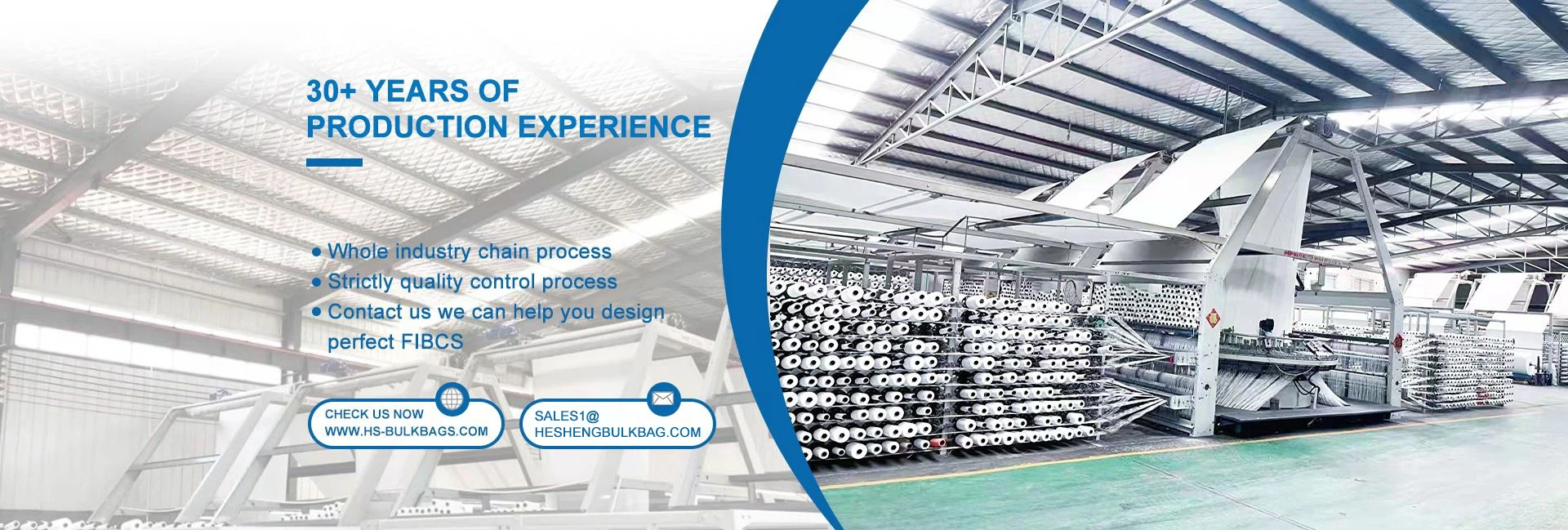
Certification Upgrades: Factories like Hebei Hesheng now offer CE, FDA, and T/CPPIA 60-2025 certified ordinary FIBCs, meeting global safety benchmarks.
Customization & Transparency: Leading Chinese producers provide full load test videos, batch traceability, and tailored sizes/capacities (500kg–2000kg), aligning with global buyer demands.
Sustainability Investment: Chinese FIBC makers are investing in recycled material production lines to meet EU and US sustainability requirements.
Conclusion: A New Era of FIBC Excellence
2026 marks a turning point for the global FIBC industry, where safety, sustainability, and quality are the new imperatives. As supply chains demand more reliable, eco-friendly bulk packaging, manufacturers must align with international standards and innovate to stay competitive. Ordinary FIBCs, as the backbone of bulk handling, will continue to evolve with stronger safety performance and recycled content, supporting global trade and sustainable development.
For global buyers seeking certified, high-quality ordinary FIBCs with full test reports and competitive pricing, contact Hebei Hesheng Plastic Products Co., Ltd. at office@heshengbulkbag.com.
Keywords: Global FIBC Market 2026, Bulk Bag Safety Standards, Sustainable FIBC, Recycled PP FIBC, 5:1 Safety Factor, China FIBC Manufacturer, Food-Grade FIBC, Chemical Logistics FIBC

