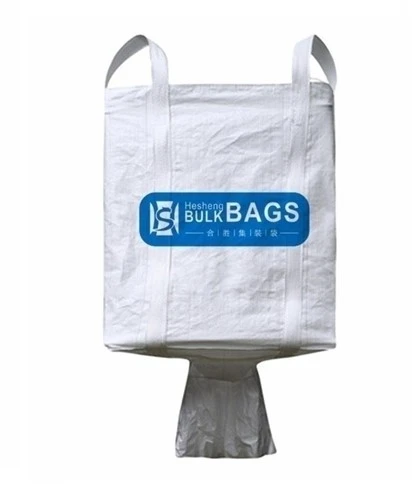
Flexible Intermediate Bulk Containers (FIBCs), also commonly known as jumbo bags, have seen a significant increase in adoption across various industries worldwide. These large, durable bags have become a popular choice for businesses looking for efficient and cost-effective packaging solutions. With their ability to hold large quantities of materials and withstand heavy loads, FIBCs have become indispensable in industries such as agriculture, construction, chemicals, and food processing.


The demand for FIBCs continues to rise, driven by their numerous benefits. One of the key advantages of jumbo bags is their cost-effectiveness. Compared to traditional packaging options such as drums or boxes, FIBCs offer a more economical solution for transporting and storing bulk materials. This cost savings is especially attractive for businesses looking to streamline their operations and reduce expenses.
In addition to cost savings, FIBCs are also known for their durability. Made from tough, woven polypropylene material, jumbo bags can withstand rough handling and harsh environmental conditions. This durability ensures that materials are safely transported and stored without the risk of damage or contamination. As a result, businesses can rely on FIBCs to protect their valuable products throughout the supply chain.
Overall, the competitive landscape for FIBCs is vibrant, with numerous manufacturers and suppliers vying for market share. To stay ahead in this competitive market, companies must focus on product innovation, quality control, and customer service. By meeting these demands, businesses can capitalize on the growing demand for jumbo bags and solidify their position in the industry.
|
|
|